Common Loan Application Mistakes That Can Lead To Rejection
Taking a loan shall be the very first key step for achieving many financial dreams, like buying a house, extending your business, financing your education, or covering personal costs. Many potential borrowers find their loan applications being rejected. Knowing the most frequent loan application mistakes is important to help you complete the loan approval process and secure the necessary funds.
Being aware of the problems and preparing properly is half the battle. At Delta Chase, we believe that you need an experienced loan advisor who will be able to help you with your application.
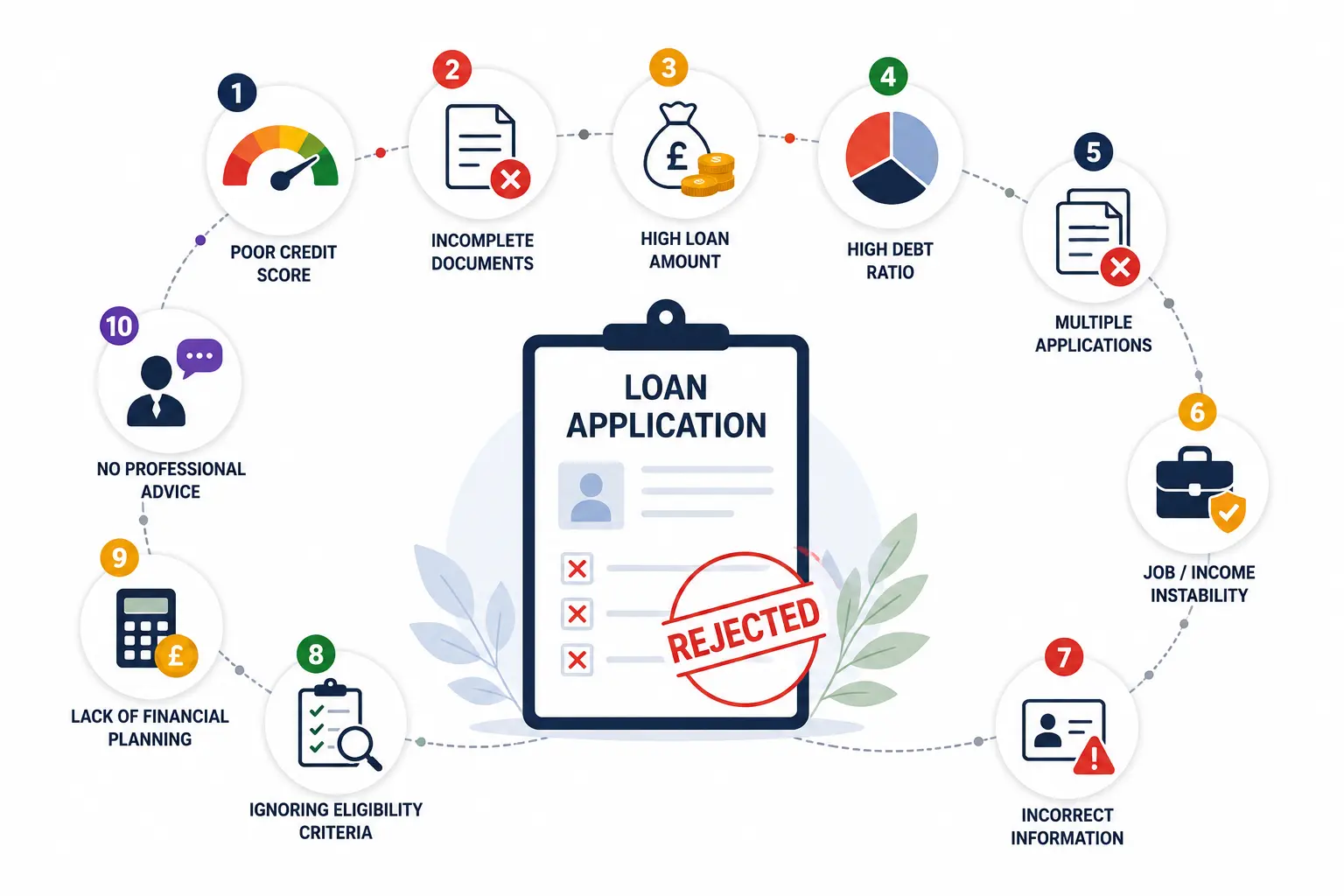
Poor Credit Score and History
The low credit score and history can be the reason for many loan rejections since the score shows the borrower's reliability.
Prior to sending an application for a loan, you need to check your credit record and correct all the errors you might see there. Being punctual with the payments, paying off your debts, and having a good credit utilization rate will definitely be helpful.
Incomplete or Wrong Documentation
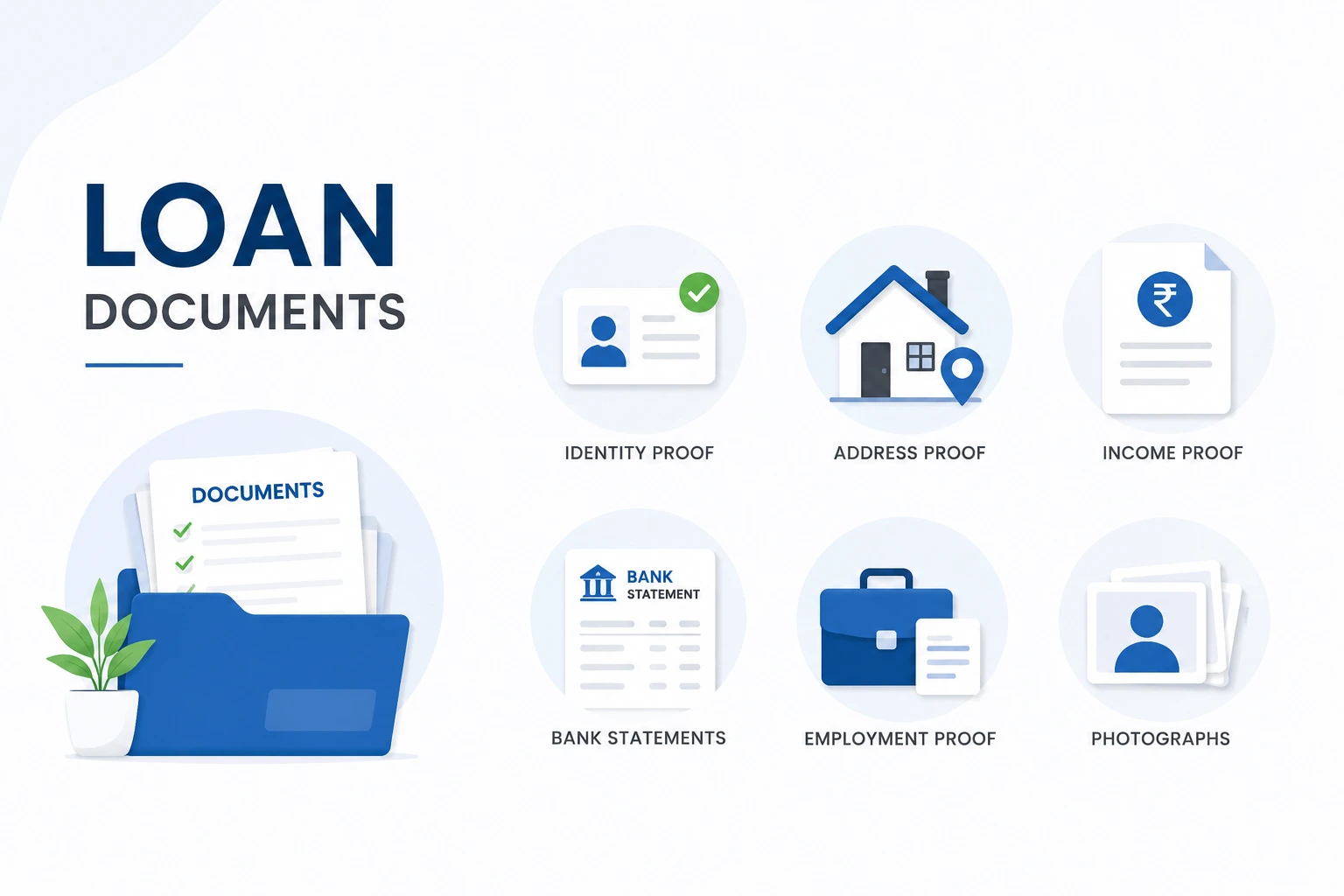
Another common problem that results in loan application rejections is wrong or incomplete documentation. The lenders ask to submit various kinds of documents like identification proofs, income statements, bank documents, tax returns, and employment information.
All these documents should contain precise and relevant data. A small mistake is enough to draw suspicion and delay the process. Therefore, you need to check everything several times before sending the application.
Requesting a Huge Amount
Lenders usually analyze a person's income, liabilities, and obligations and calculate the amount of money you can get as a loan. Therefore, it is reasonable to contact a loan advisor in analysing an estimate of the sum that would be acceptable for you.
High Debt-to-Income Ratio
The debt-to-income (DTI) ratio shows the percentage of money you spend to cover your debts per month.
Having a high ratio means that you have little space for extra financial obligations, and, therefore, it is likely to be rejected by the lenders.
Frequent Applications
Sending applications frequently for loans will negatively affect your credit report. It is much better to look for the lending institutions whose eligibility criteria correspond to your financial situation.
Instability of Employment or Income
In general, lenders prefer to give loans to people who have stable work and a constant stream of income. Changing jobs frequently or having unstable financial conditions might negatively affect your application.
Therefore, it is better to have proper stability of both working and financial situations in order to be more attractive for lenders.
Providing the Incorrect Information
Sometimes people make a mistake and submit false data about themselves in the applications. Lenders double-check the information that applicants submit when sending a loan application, and, thus, the discrepancy leads to immediate rejection.
You need to be honest and precise in your answers because the truthfulness shows your reliability.
Ignoring Eligibility Criteria
The fact is that each lender has their own set of requirements depending on factors like age, income, credit score, employment status, and other aspects. Sending an application ignoring these criteria means losing precious time.
Therefore, before sending the application, you need to study the lender's criteria of granting loans.
Lack of Financial Planning
Many people concentrate solely on getting a loan without considering their capability of repayment. Besides checking the current financial status, lenders also analyze your future repayment capabilities.
Preparation of the realistic budget and understanding of your monthly obligations will be useful to show your financial responsibility.
Not Seeking Professional Guidance
The main loan application mistake is the lack of professional help of the loan advisor. The loan products differ greatly depending on different eligibility criteria, interest rates, repayment periods, and documentation.
A professional adviser will be able to tell you what kind of loan product you need, what you should do to prepare a strong application, and how to avoid loan application rejections.
Assistance from Delta Chase
Taking out a loan in today's environment can be tricky due to constantly changing requirements of lenders. At Delta Chase, we help our clients to understand loan requirements, prepare solid applications, and avoid loan application mistakes.
Our specialists help in assessing the financial profile of our customers, finding suitable lending opportunities, and assisting in passing the loan approval process. With the right approach and professional assistance from us, it becomes significantly easier.
Conclusion
Knowing the most common loan application mistakes can help you a lot. Having a bad credit score, lacking the proper documentation, having debts, providing wrong information, and lack of preparation are among the most popular loan application rejections.
With the help of a loan advisor and professional preparation, you will increase your chances to pass the loan approval process.
Frequently Asked Questions
Some of the common errors in loan applications are having bad credit ratings, failing to give correct information, seeking loan amounts that exceed your repayment ability, having high debts relative to your earnings, and giving false information on your loan application. All these can lead to your application getting rejected.
To improve your chances of getting loan approvals, you have to ensure that you have good credit ratings, provide correct and adequate information, meet the requirements of the lenders, and manage your debts properly.
A loan advisor will assist you in selecting a suitable loan, assess your eligibility, provide all the necessary documentation, and guide you to avoid mistakes in applying for a loan.
Have a loan question? Talk to a Delta Chase advisor.
Not sure which bank to choose or whether you're eligible? Talk to a Delta Chase advisor for a free 20-minute assessment of your loan readiness — no strings attached.
Call +91 97454 02954